The Movement Towards Sustainability

Anna Naim • September 1, 2024
energy efficient home

The movement towards sustainable energy is one of the most transformative and urgent global shifts of our time. Driven by the necessity to combat climate change, reduce environmental impact, and ensure long-term energy security, this movement represents a fundamental rethinking of how we produce, consume, and manage energy. 


At Senergy Builders, we not only wholeheartedly believe in this movement, but we act on it, bringing it into our very own communities through energy efficient homes and neighborhoods. Let’s delve more into the details of this movement that stands at the core of our mission.


Drivers of the Sustainable Energy Movement


Climate Change Mitigation


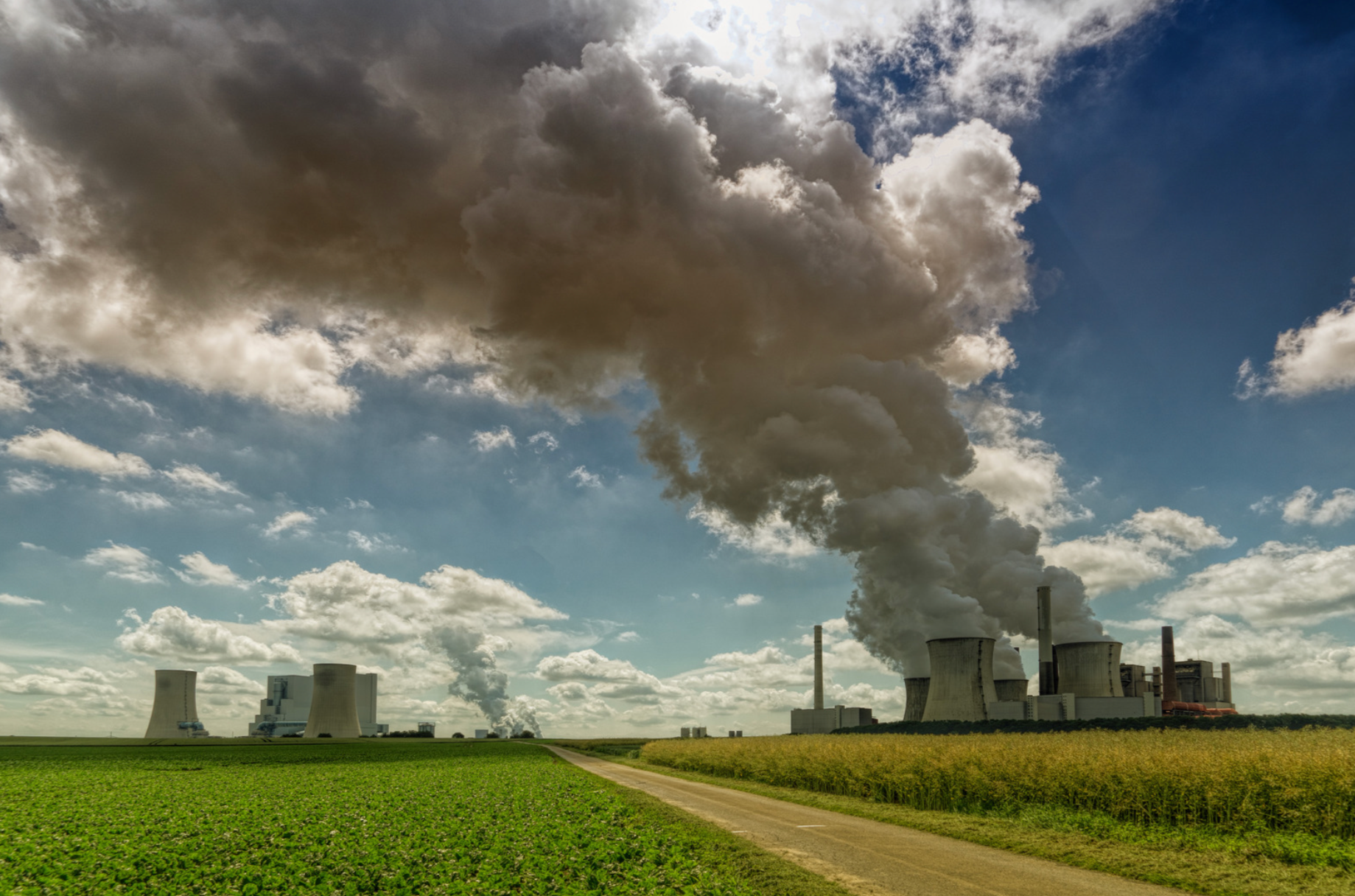
One of the primary motivators behind the sustainable energy movement is the urgent need to address climate change. The burning of fossil fuels for energy is the leading source of greenhouse gas emissions, which contribute to global warming and extreme weather events. Transitioning to sustainable energy sources, such as solar, wind, and hydropower, helps reduce these emissions and mitigates the adverse effects of climate change.


Resource Depletion


Fossil fuels are finite resources that are being rapidly depleted. As reserves dwindle, the environmental and economic costs of extraction and use rise. Sustainable energy sources, such as renewable resources, are abundant and replenishable, providing a long-term solution to the problem of resource depletion.


Energy Security


Reliance on imported fossil fuels can pose risks to national security and economic stability. By developing domestic sustainable energy sources, countries can enhance their energy security, reduce dependence on volatile international markets, and stabilize energy prices.


Key Technologies in Sustainable Energy


Solar Power


Solar energy harnesses the power of the sun through photovoltaic (PV) cells or solar thermal systems. Advances in solar technology have led to increased efficiency and reduced costs, making solar power one of the most widely adopted renewable energy sources. Solar farms, rooftop panels, and solar water heaters are common applications of solar technology.


Wind Power


Wind energy is captured using wind turbines that convert kinetic energy from wind into electrical power. Onshore and offshore wind farms have seen significant growth due to technological improvements and increased efficiency. Wind power is a scalable and versatile solution, suitable for a range of geographic locations.


Hydropower


Hydropower generates electricity by harnessing the energy of flowing water, typically through dams or run-of-river systems. While large-scale hydropower projects have been criticized for their environmental impacts, small-scale and run-of-river systems offer more sustainable alternatives. Hydropower remains a reliable and consistent source of renewable energy.

energy efficient home

Challenges Facing the Sustainable Energy Movement


Intermittency and Storage


Many sustainable energy sources, such as solar and wind, are intermittent and depend on weather conditions. This variability poses challenges for maintaining a stable energy supply. Advances in energy storage technologies, such as batteries and pumped hydro storage, are critical to addressing this issue and ensuring reliable energy provision.


Luckily for the residents of Grand Junction, we have an abundant supply of sunshine in our state. Installing our homes with solar panels is the most convenient and efficient step to take with a Senergy Builders home. 


Infrastructure and Integration


Integrating sustainable energy sources into existing energy infrastructure requires significant investment and adaptation. Upgrading grids, developing smart grid technologies, and expanding transmission networks are essential to accommodate and distribute renewable energy effectively.


Put your trust in Senergy Builders to deal with this challenge and take care of your future home for you!


Economic and Policy Barriers


While the cost of sustainable energy has decreased, economic and policy barriers can still hinder its adoption. Subsidies for fossil fuels, lack of incentives for renewable energy, and inconsistent regulatory frameworks can impact the growth of sustainable energy sectors. Comprehensive and supportive policies are needed to overcome these challenges.


Future Prospects of Sustainable Energy


The future of sustainable energy is promising, driven by ongoing advancements in technology and increasing commitment to environmental goals. Several key trends are shaping the future of the movement:


Technological Innovation


Continued research and development are expected to drive further innovations in sustainable energy technologies. Breakthroughs in energy storage, grid management, and new renewable energy sources will enhance the efficiency and feasibility of sustainable energy solutions.


Decentralization and Electrification


The trend towards decentralization of energy production, with increased use of local and community-based renewable energy systems, is expected to grow. Electrification of sectors such as transportation and heating, powered by renewable energy, will further reduce reliance on fossil fuels. As always, put your faith in your community!


Global Collaboration


Addressing the challenges of climate change and energy sustainability requires global cooperation. International agreements, such as the Paris Agreement, and collaborative efforts in research, technology development, and policy-making will play a crucial role in advancing sustainable energy initiatives. We all have a role to play when it comes to working towards a greener Earth.


Public Awareness and Engagement


Growing awareness of environmental issues and sustainability will drive consumer demand for clean energy solutions. Public support and advocacy can influence policy decisions, promote sustainable practices, and accelerate the transition to renewable energy.


Choose Senergy Builders


The movement towards sustainable energy represents a critical response to the challenges of climate change, resource depletion, and energy security. By embracing renewable energy technologies, addressing the associated challenges, and fostering innovation and collaboration, we can pave the way for a cleaner, more sustainable energy future. The ultimate success of this movement will depend on our collective efforts to navigate the complexities of energy transition and create a resilient and environmentally responsible energy system for future generations.


At Senergy Builders, we're deeply committed to advancing sustainability in our community of Grand Junction by exclusively building energy efficient homes in all of our subdivisions. We integrate the latest technologies as well as design principles that significantly reduce energy consumption and our environmental impact. 


By incorporating high-performance insulation, energy efficient windows, and renewable energy systems like solar panels, we ensure that each home we construct minimizes its carbon footprint. Our dedication to sustainability enhances both the comfort and cost-effectiveness of our properties, while also supporting broader environmental goals and contributing to a greener future for our communities.


Thank you for reading!


You might also like
By Anna Naim September 8, 2026
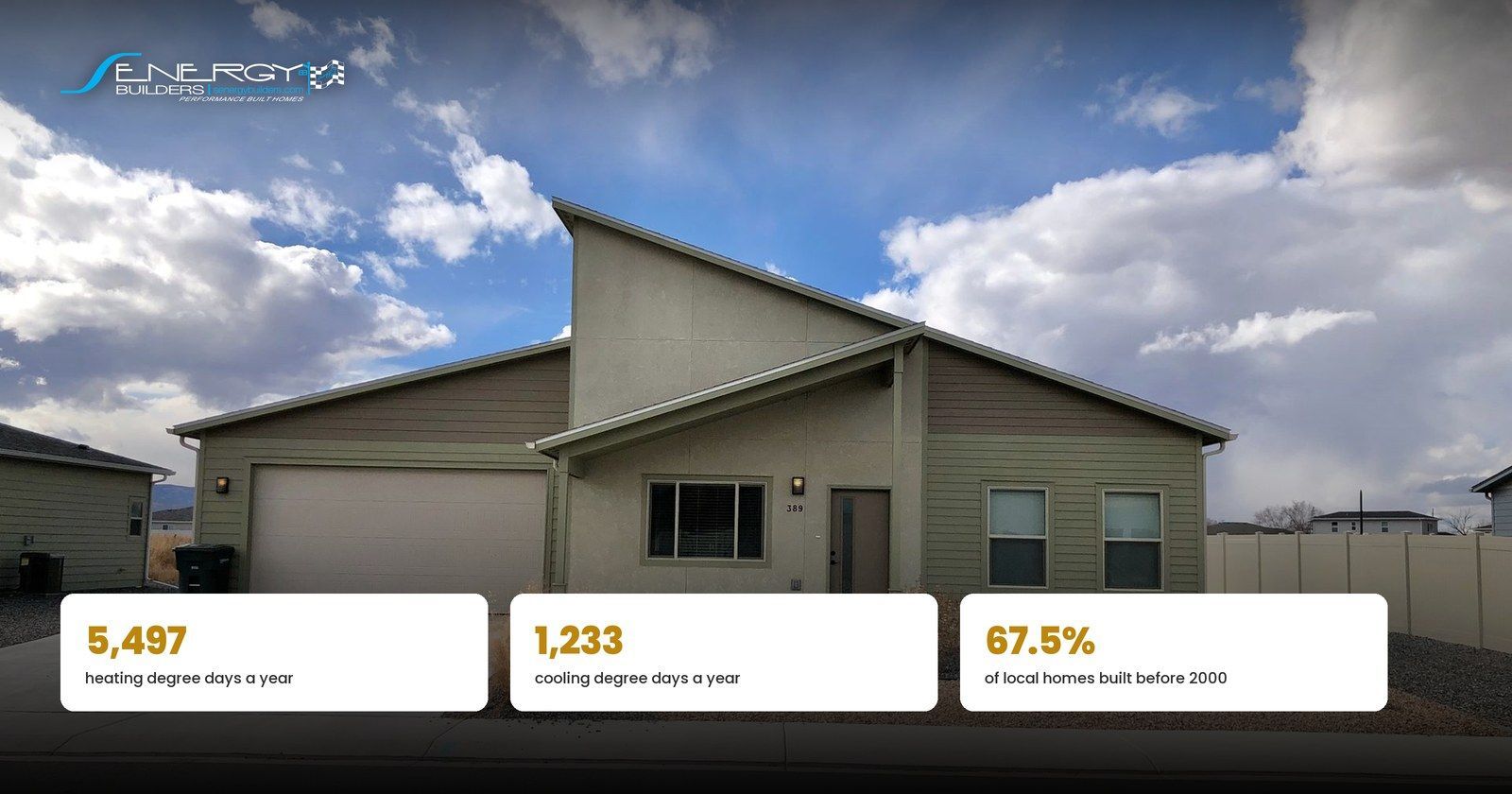
Most people shopping for a home in Grand Junction compare two numbers: the price of this house against the price of that one. It is the number on the listing, the number the lender cares about, and the number everybody talks about at the kitchen table. Then they move in, and a second number shows up every month for the next thirty years. Nobody put that one on the flyer. That second number is not small, and in the Grand Valley it is not evenly distributed. Two houses of the same size, on the same street, at the same price can cost meaningfully different amounts to live in, and the gap does not show up until the first July bill lands. This is a look at where that gap comes from, how to measure it before you sign, and what the local climate does to the math.
By Anna Naim April 30, 2025
When we talk about fighting climate change, most people think about things like switching to electric cars, installing solar panels , or flying less. Those are all important, and correct, but there’s a huge piece of the emissions puzzle that often gets overlooked: industry. We’re talking about the stuff that literally builds the world around us– steel, cement, chemicals, glass, and more. These are the foundations of everything from roads to smartphones. But here’s the kicker: industrial processes are responsible for about a quarter of the world’s greenhouse gas emissions. That’s massive. And unlike switching your car or your light bulbs, decarbonizing industry is complicated. It’s messy. The technologies exist, but they’re often expensive or inconvenient– especially for the people and companies with the most power to implement them. Still, transforming industry is absolutely essential– and I’m here to unpack why it’s hard, what’s changing, and how we can push for solutions that actually make a difference. Why Is Industry So Tough to Decarbonize? Let’s start with the honest truth: cutting emissions from industry is way harder than cleaning up something like the electricity sector. Here's why: Some emissions are baked into the process  For example, when you make cement, you heat up limestone, and that chemical reaction releases carbon dioxide. It’s not just about the fuel used, it’s the reaction itself. So even if you're using clean energy, you still get CO2 emissions. You need crazy-high heat Things like steel and glass need temperatures that soar above 1,500°C. That’s not easy to achieve with electricity (at least not yet), so most places still burn coal or gas. Factories aren’t easy to change overnight Industrial plants are huge investments. They’re built to last decades, and they don’t get upgraded often. That means any big changes are risky, expensive, and need serious planning. But here’s the good news: change is finally starting to happen. What Can We Do About It? Even though the challenges are big, there are already a bunch of exciting solutions out there. Some are being tested in real factories today. Here are some of the most promising approaches: Use Less Energy (and Waste Less) Before we reinvent the wheel, let’s make the current systems more efficient. Think better insulation, heat recovery systems, or smarter control systems that waste less energy. These are low-hanging fruit, and they often pay for themselves. Switch to Electric Where Possible Electrifying industrial equipment means you can tap into renewable electricity. For some things, like low-temperature drying or electric arc furnaces for recycling steel, it’s already doable. High-heat processes are tougher, but technology is improving fast. Bring in Green Hydrogen Hydrogen can burn hot like fossil fuels, but when it’s made with clean electricity (we call it "green hydrogen"), it doesn’t release CO2. This is a game-changer for heavy industry. For example, instead of using coal to make steel, some companies are testing hydrogen as a clean alternative. Capture the Carbon We Can’t Avoid Carbon capture, utilization, and storage (CCUS) sounds like science fiction, but it’s very real. These systems trap CO2 from factories and either store it underground or turn it into something useful. It’s not cheap, but it’s one of the only ways to deal with unavoidable emissions, like those from cement. Rethink the Materials We can also lower emissions by reimagining what we use and how we use it. Some startups are making low-carbon or even carbon-negative cement. Others are finding ways to recycle chemicals and plastics more effectively. Innovation in materials science is moving fast.
By Anna Naim April 22, 2025
Let’s be honest, the construction industry has historically had a pretty heavy footprint. Between energy use, material waste, and carbon emissions, traditional building practices have contributed significantly to environmental degradation. We started Senergy Builders because we knew there was a better way to do this work. One that respects natural resources, prioritizes energy efficiency, and takes long-term environmental impact seriously. Sustainability isn’t just a box we check. It's part of every conversation we have, every design we draft, and every material we choose. At Senergy Builders, every day is a chance to build something meaningful. When we say this, we’re not just talking about structures, but a future that’s more sustainable, more thoughtful, and more in balance with the planet we all share. But on Earth Day, we take a moment to pause, reflect, and talk about why our work goes beyond construction. It’s about responsibility, resilience, and protecting the Earth for the generations to come. How We’re Reducing Impact Through Smarter Building Sustainable building comes with consistency, resilience, and dedication. All for the betterment of the planet, starting with our home of Grand Junction. For us, it means using practical, proven strategies that reduce a home or building’s environmental impact, during construction and long after the keys are handed over. Here’s a look at what that actually means on the ground: Energy Efficient Design From passive solar layouts to high-performance insulation and energy modeling, we design buildings that require significantly less energy to heat, cool, and power. Renewable Energy Integration We regularly install solar systems and prepare homes for future clean energy upgrades. Sustainable Materials Whenever possible, we source responsibly harvested wood, reclaimed materials, and non-toxic finishes that are better for the environment and for the people living or working in the space. Waste Reduction on Site Construction can be messy, but we work hard to minimize waste and recycle materials during and after the build. Durability and Longevity A truly sustainable building isn’t just efficient, it’s built to last. The longer a structure holds up, the less often it needs to be replaced or renovated. Earth Day And Every Day Earth Day is a reminder, but this is year-round work. This day is important as it shines a spotlight on the planet and the choices we make. But for us, environmental responsibility isn’t a one-day event. It’s baked into our everyday practices, our partnerships, and our long-term goals.  We’re constantly asking ourselves how we can improve: What materials are emerging that have a lower environmental cost? How can we make high-efficiency homes more accessible to more people? What kind of legacy are we leaving behind with each build? We don’t have all the answers, but we’re committed to the process, and that starts with asking the right questions.

Learn More


Get In Touch for a Zero Obligation Chat, and see how we can turn your dream forever home into reality!


Call us direct, or leave us a message and we'll get back to you!