





View more
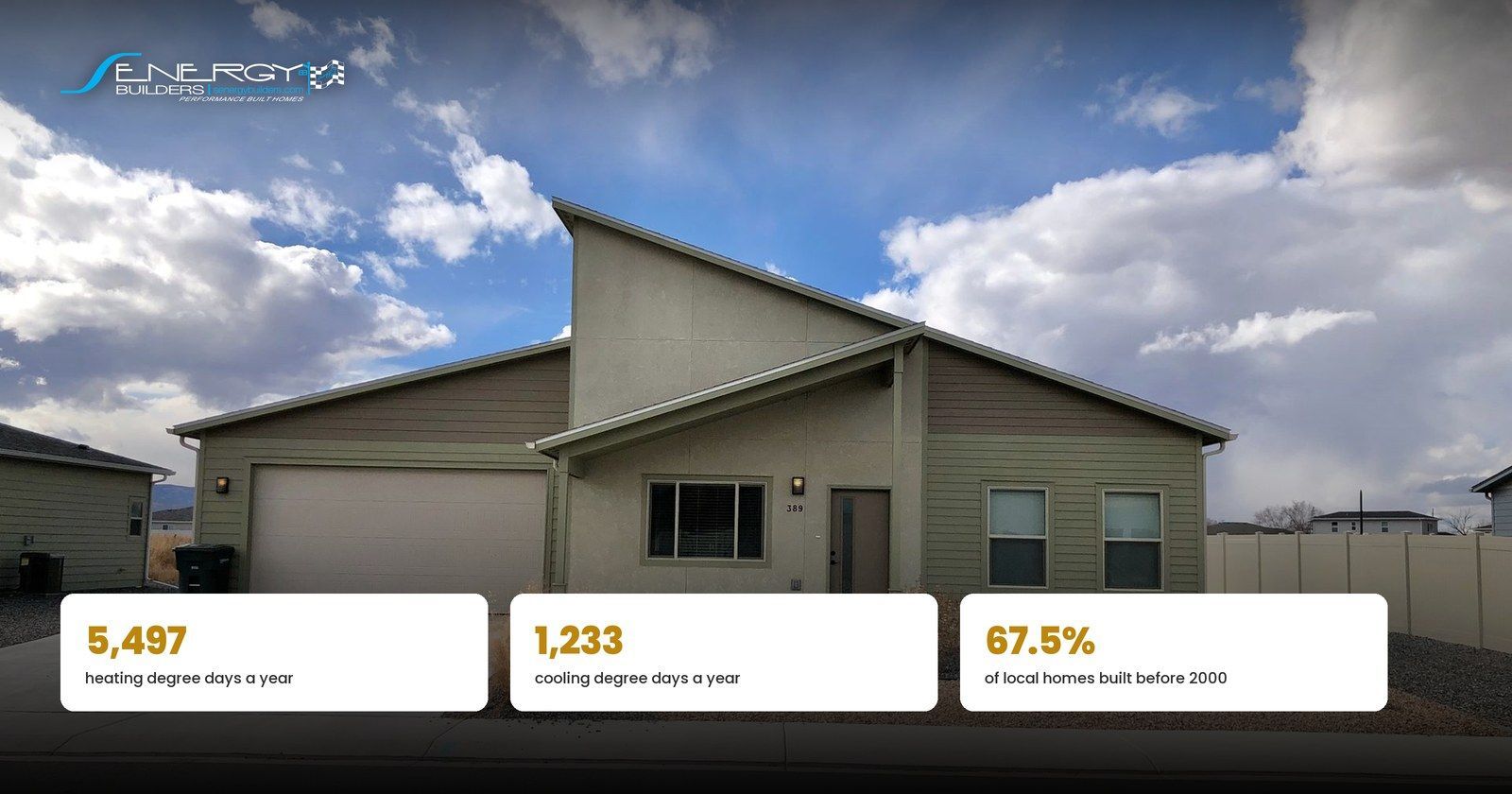
Most people shopping for a home in Grand Junction compare two numbers: the price of this house against the price of that one. It is the number on the listing, the number the lender cares about, and the number everybody talks about at the kitchen table. Then they move in, and a second number shows up every month for the next thirty years. Nobody put that one on the flyer. That second number is not small, and in the Grand Valley it is not evenly distributed. Two houses of the same size, on the same street, at the same price can cost meaningfully different amounts to live in, and the gap does not show up until the first July bill lands. This is a look at where that gap comes from, how to measure it before you sign, and what the local climate does to the math.
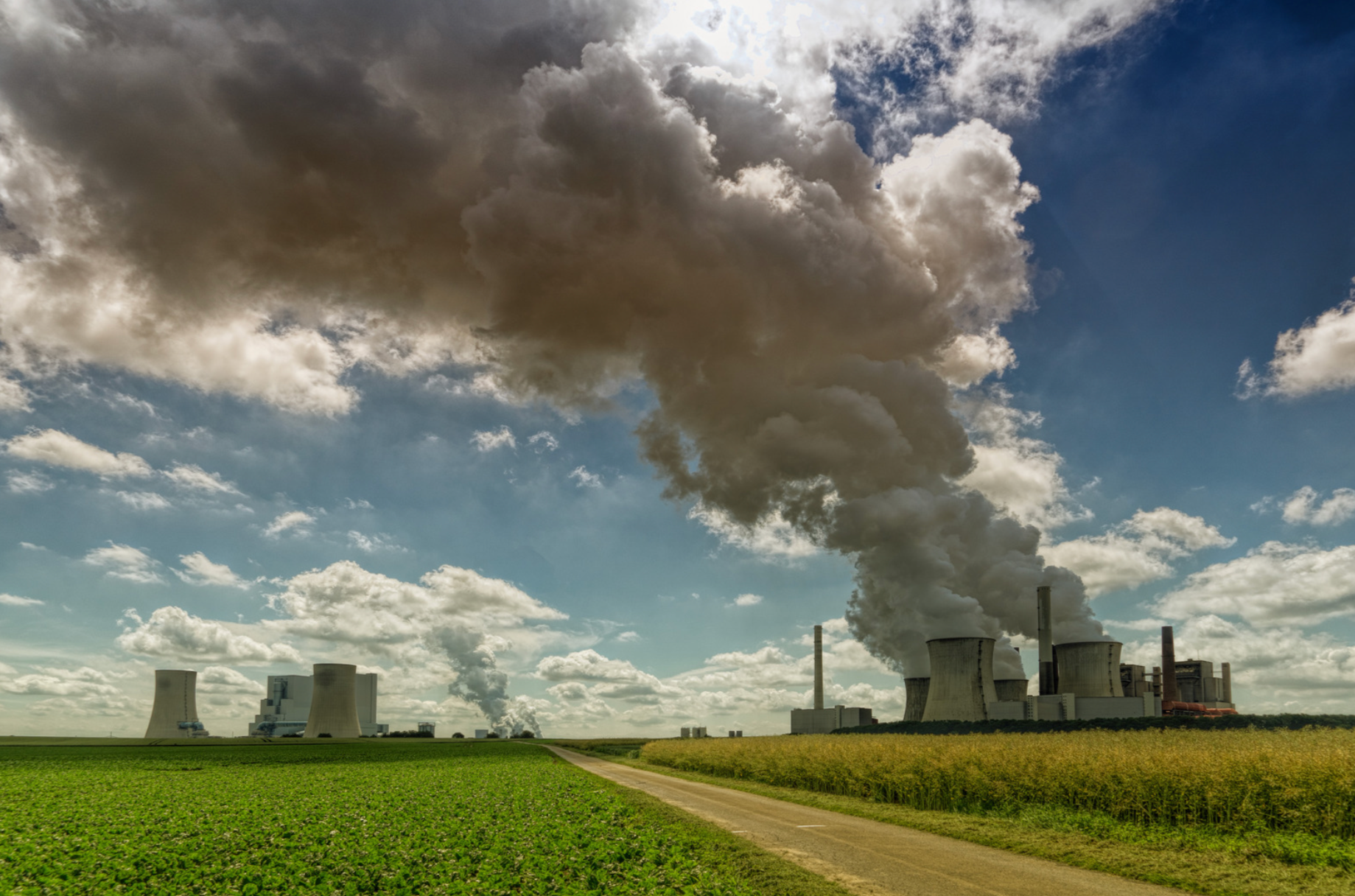
When we talk about fighting climate change, most people think about things like switching to electric cars, installing solar panels , or flying less. Those are all important, and correct, but there’s a huge piece of the emissions puzzle that often gets overlooked: industry. We’re talking about the stuff that literally builds the world around us– steel, cement, chemicals, glass, and more. These are the foundations of everything from roads to smartphones. But here’s the kicker: industrial processes are responsible for about a quarter of the world’s greenhouse gas emissions. That’s massive. And unlike switching your car or your light bulbs, decarbonizing industry is complicated. It’s messy. The technologies exist, but they’re often expensive or inconvenient– especially for the people and companies with the most power to implement them. Still, transforming industry is absolutely essential– and I’m here to unpack why it’s hard, what’s changing, and how we can push for solutions that actually make a difference. Why Is Industry So Tough to Decarbonize? Let’s start with the honest truth: cutting emissions from industry is way harder than cleaning up something like the electricity sector. Here's why: Some emissions are baked into the process For example, when you make cement, you heat up limestone, and that chemical reaction releases carbon dioxide. It’s not just about the fuel used, it’s the reaction itself. So even if you're using clean energy, you still get CO2 emissions. You need crazy-high heat Things like steel and glass need temperatures that soar above 1,500°C. That’s not easy to achieve with electricity (at least not yet), so most places still burn coal or gas. Factories aren’t easy to change overnight Industrial plants are huge investments. They’re built to last decades, and they don’t get upgraded often. That means any big changes are risky, expensive, and need serious planning. But here’s the good news: change is finally starting to happen. What Can We Do About It? Even though the challenges are big, there are already a bunch of exciting solutions out there. Some are being tested in real factories today. Here are some of the most promising approaches: Use Less Energy (and Waste Less) Before we reinvent the wheel, let’s make the current systems more efficient. Think better insulation, heat recovery systems, or smarter control systems that waste less energy. These are low-hanging fruit, and they often pay for themselves. Switch to Electric Where Possible Electrifying industrial equipment means you can tap into renewable electricity. For some things, like low-temperature drying or electric arc furnaces for recycling steel, it’s already doable. High-heat processes are tougher, but technology is improving fast. Bring in Green Hydrogen Hydrogen can burn hot like fossil fuels, but when it’s made with clean electricity (we call it "green hydrogen"), it doesn’t release CO2. This is a game-changer for heavy industry. For example, instead of using coal to make steel, some companies are testing hydrogen as a clean alternative. Capture the Carbon We Can’t Avoid Carbon capture, utilization, and storage (CCUS) sounds like science fiction, but it’s very real. These systems trap CO2 from factories and either store it underground or turn it into something useful. It’s not cheap, but it’s one of the only ways to deal with unavoidable emissions, like those from cement. Rethink the Materials We can also lower emissions by reimagining what we use and how we use it. Some startups are making low-carbon or even carbon-negative cement. Others are finding ways to recycle chemicals and plastics more effectively. Innovation in materials science is moving fast.

Let’s be honest, the construction industry has historically had a pretty heavy footprint. Between energy use, material waste, and carbon emissions, traditional building practices have contributed significantly to environmental degradation. We started Senergy Builders because we knew there was a better way to do this work. One that respects natural resources, prioritizes energy efficiency, and takes long-term environmental impact seriously. Sustainability isn’t just a box we check. It's part of every conversation we have, every design we draft, and every material we choose. At Senergy Builders, every day is a chance to build something meaningful. When we say this, we’re not just talking about structures, but a future that’s more sustainable, more thoughtful, and more in balance with the planet we all share. But on Earth Day, we take a moment to pause, reflect, and talk about why our work goes beyond construction. It’s about responsibility, resilience, and protecting the Earth for the generations to come. How We’re Reducing Impact Through Smarter Building Sustainable building comes with consistency, resilience, and dedication. All for the betterment of the planet, starting with our home of Grand Junction. For us, it means using practical, proven strategies that reduce a home or building’s environmental impact, during construction and long after the keys are handed over. Here’s a look at what that actually means on the ground: Energy Efficient Design From passive solar layouts to high-performance insulation and energy modeling, we design buildings that require significantly less energy to heat, cool, and power. Renewable Energy Integration We regularly install solar systems and prepare homes for future clean energy upgrades. Sustainable Materials Whenever possible, we source responsibly harvested wood, reclaimed materials, and non-toxic finishes that are better for the environment and for the people living or working in the space. Waste Reduction on Site Construction can be messy, but we work hard to minimize waste and recycle materials during and after the build. Durability and Longevity A truly sustainable building isn’t just efficient, it’s built to last. The longer a structure holds up, the less often it needs to be replaced or renovated. Earth Day And Every Day Earth Day is a reminder, but this is year-round work. This day is important as it shines a spotlight on the planet and the choices we make. But for us, environmental responsibility isn’t a one-day event. It’s baked into our everyday practices, our partnerships, and our long-term goals. We’re constantly asking ourselves how we can improve: What materials are emerging that have a lower environmental cost? How can we make high-efficiency homes more accessible to more people? What kind of legacy are we leaving behind with each build? We don’t have all the answers, but we’re committed to the process, and that starts with asking the right questions.