Climate Change Is More Apparent Than Ever

Anna Naim • February 24, 2025
climate change

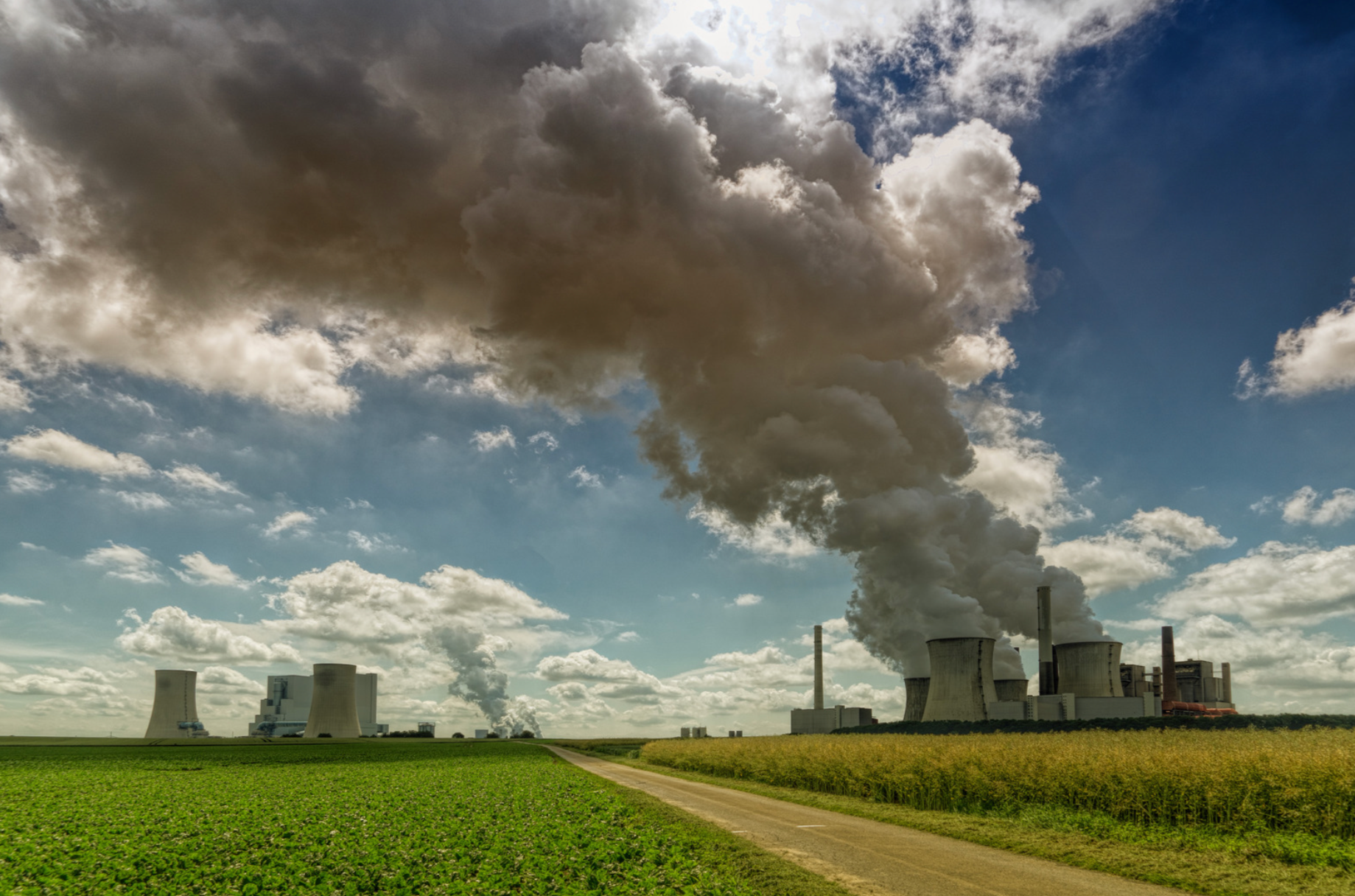
Enough is enough. As we witness nature’s fury unfolding in real time, it is impossible to continue to ignore the devastating impact of climate change. The wildfires ravaging California are a glaring example of how the world’s climate is shifting, bringing with it extreme weather events that disrupt ecosystems, threaten communities, and challenge our way of life. The situation has never been clearer. If we want future generations to thrive, we must take urgent, decisive action now.


Current Crisis in California


California has long been prone to wildfires due to its dry climate and hot summers. However, in recent years, the intensity and frequency of these fires have escalated dramatically. These fires, which are exacerbated by drought, heatwaves, and shifting weather patterns, are becoming more dangerous every year.


The fires have not only ravaged large swaths of land but have also impacted air quality, public health, and local economies. It’s not a matter of the fire itself, but smoke from the fires has also blanketed vast areas of the West Coast, creating dangerous conditions for people with respiratory issues and straining healthcare systems already stretched thin by the ongoing pandemic. The consequences of these fires are not limited to the immediate destruction. They ripple through communities, displacing thousands of people and causing long-term environmental damage.


The Role of Climate Change


So, why are the wildfires getting worse? Climate change is playing a central role. Rising global temperatures, fueled by the burning of fossil fuels and deforestation, are creating conditions ripe for wildfires. Warmer temperatures lead to more severe droughts, which in turn create dry vegetation that acts as fuel for fires. On top of it all, the changing climate alters precipitation patterns, resulting in more intense storms and longer periods of heat, both of which further contribute to fire risk.


Scientists have been warning about the potential consequences of unchecked climate change for decades, and now these predictions are manifesting before our very eyes. The reality of a warming planet is no longer a distant concern but a present-day crisis. As the climate continues to warm, we can expect more frequent and more severe wildfires, along with a host of other environmental challenges such as rising sea levels, extreme heatwaves, and more unpredictable weather patterns.


The Urgency for Change


These wildfires are just one example of the extreme weather events becoming more commonplace due to climate change. They highlight a crucial point, that the need for urgent action is more pressing than ever. If we want to ensure that future generations have a livable planet, we must take meaningful steps to mitigate the effects of climate change and work toward a sustainable future.


What can we do?

energy efficiency

Transition to Renewable Energy


One of the most effective ways to reduce greenhouse gas emissions is by shifting to clean, renewable energy sources. Solar, wind, and hydropower offer sustainable alternatives to fossil fuels and can help reduce the carbon footprint that fuels climate change.

Did you know that, as fossil fuels are limited and meant to run out, Solar energy can be the primary source of power by 2040.


Invest in Resilient Infrastructure


Communities must be equipped with the tools to adapt to a changing climate. This means building infrastructure that can withstand extreme weather events, such as wildfires, floods, and hurricanes. Cities and states need to implement building codes and land-use policies that prioritize climate resilience.


Reduce Emissions Across Sectors


Climate change isn’t just about energy. It also involves transportation, agriculture, and industry. Governments and businesses must work together to implement policies and technologies that reduce emissions across all sectors. This includes electrifying transportation, adopting sustainable farming practices, and pushing for greener manufacturing processes.


Protect Natural Ecosystems


Forests, wetlands, and oceans play a critical role in regulating the climate. Protecting these ecosystems not only helps absorb carbon dioxide but also supports biodiversity and safeguards communities against natural disasters. Restoring degraded ecosystems and preserving critical habitats should be a priority. When we love our earth, she loves us back.


Public Awareness and Education


It is essential, now more than ever, that people understand the science behind climate change and the actions we must collectively take to contribute to solutions. Education campaigns and community engagement are vital to ensuring widespread support for climate policies and individual action.


Looking to the Future


If we are to preserve the planet for future generations, it is imperative that we act now. The wildfires in California are not isolated incidents and shouldn’t be regarded as such. They are a wake-up call. We are living through a pivotal moment in history, one in which our decisions will determine the trajectory of life on Earth for centuries to come.


Future generations will inherit the world we leave behind. We must do everything in our power to ensure that it is a world capable of supporting healthy ecosystems, thriving communities, and abundant opportunities. If we fail to make significant changes, the effects of climate change will only continue to worsen, making it more difficult for future generations to recover and adapt.


Why Senergy?


At Senergy Builders, we are proud to be at the forefront of the movement toward energy efficient building in the lovely Grand Junction area. We specialize in sustainable construction practices, integrating materials like solar panels, energy efficient insulation, and smart HVAC systems into every project we undertake. 


Our goal is to drastically reduce energy consumption in the Western Slope, helping homeowners and businesses save on utility costs while also making a positive impact on the environment. We are committed to using locally sourced, sustainable materials, which ensures that our construction processes leave a minimal carbon footprint. 


As extreme weather events become more frequent and intense, it is vital that we take fast action to mitigate climate change. This is not just about protecting the environment, it’s about securing a livable and prosperous future for all. At Senergy, we’re doing our part. By prioritizing green building practices, we’re not just contributing to a more sustainable future, we’re proving that energy efficiency is a smart, long-term investment for both the planet and the people who call these spaces home. The time to act is now, before it’s too late.


You might also like
By Anna Naim September 8, 2026
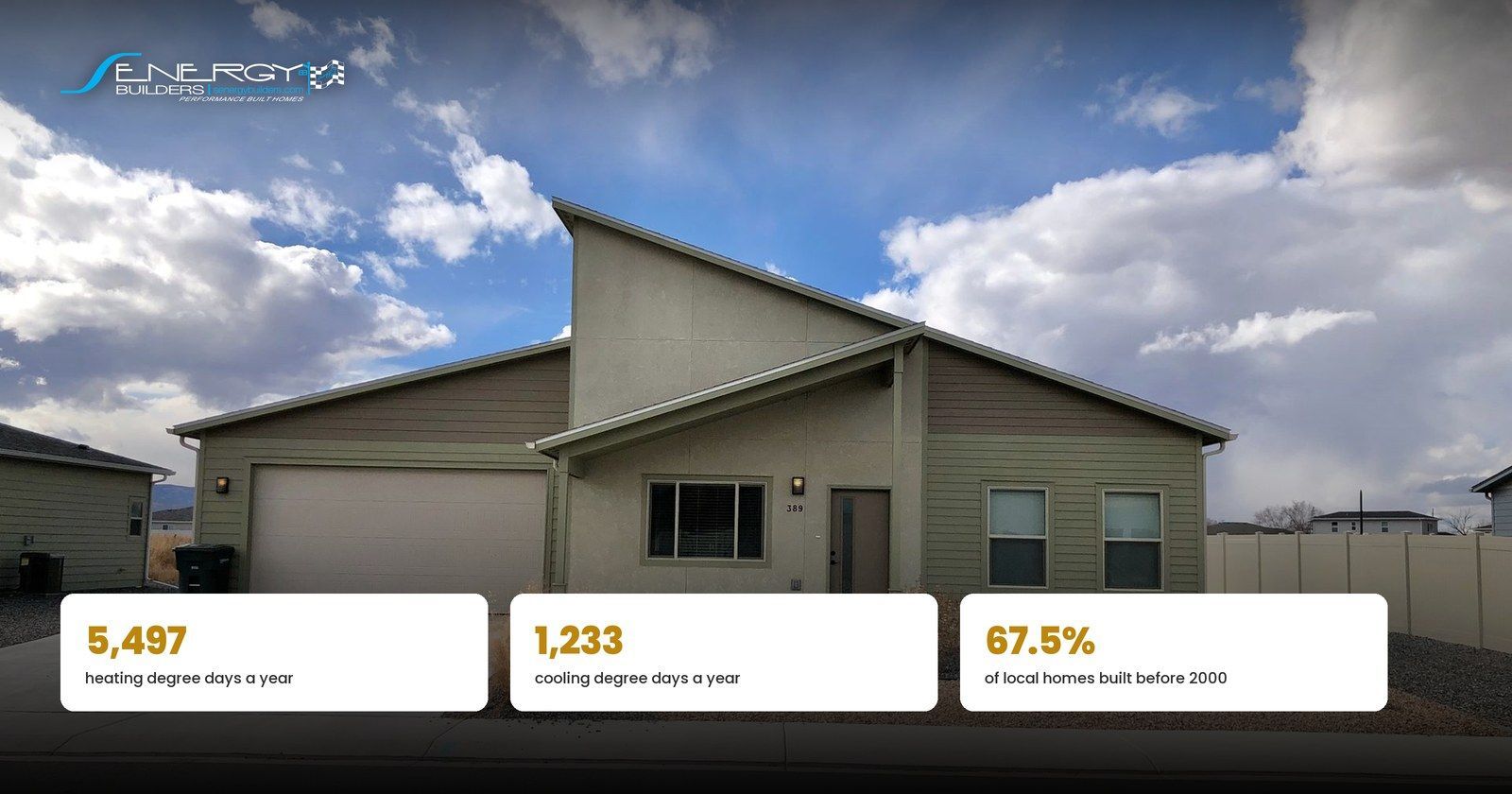
Most people shopping for a home in Grand Junction compare two numbers: the price of this house against the price of that one. It is the number on the listing, the number the lender cares about, and the number everybody talks about at the kitchen table. Then they move in, and a second number shows up every month for the next thirty years. Nobody put that one on the flyer. That second number is not small, and in the Grand Valley it is not evenly distributed. Two houses of the same size, on the same street, at the same price can cost meaningfully different amounts to live in, and the gap does not show up until the first July bill lands. This is a look at where that gap comes from, how to measure it before you sign, and what the local climate does to the math.
By Anna Naim April 30, 2025
When we talk about fighting climate change, most people think about things like switching to electric cars, installing solar panels , or flying less. Those are all important, and correct, but there’s a huge piece of the emissions puzzle that often gets overlooked: industry. We’re talking about the stuff that literally builds the world around us– steel, cement, chemicals, glass, and more. These are the foundations of everything from roads to smartphones. But here’s the kicker: industrial processes are responsible for about a quarter of the world’s greenhouse gas emissions. That’s massive. And unlike switching your car or your light bulbs, decarbonizing industry is complicated. It’s messy. The technologies exist, but they’re often expensive or inconvenient– especially for the people and companies with the most power to implement them. Still, transforming industry is absolutely essential– and I’m here to unpack why it’s hard, what’s changing, and how we can push for solutions that actually make a difference. Why Is Industry So Tough to Decarbonize? Let’s start with the honest truth: cutting emissions from industry is way harder than cleaning up something like the electricity sector. Here's why: Some emissions are baked into the process  For example, when you make cement, you heat up limestone, and that chemical reaction releases carbon dioxide. It’s not just about the fuel used, it’s the reaction itself. So even if you're using clean energy, you still get CO2 emissions. You need crazy-high heat Things like steel and glass need temperatures that soar above 1,500°C. That’s not easy to achieve with electricity (at least not yet), so most places still burn coal or gas. Factories aren’t easy to change overnight Industrial plants are huge investments. They’re built to last decades, and they don’t get upgraded often. That means any big changes are risky, expensive, and need serious planning. But here’s the good news: change is finally starting to happen. What Can We Do About It? Even though the challenges are big, there are already a bunch of exciting solutions out there. Some are being tested in real factories today. Here are some of the most promising approaches: Use Less Energy (and Waste Less) Before we reinvent the wheel, let’s make the current systems more efficient. Think better insulation, heat recovery systems, or smarter control systems that waste less energy. These are low-hanging fruit, and they often pay for themselves. Switch to Electric Where Possible Electrifying industrial equipment means you can tap into renewable electricity. For some things, like low-temperature drying or electric arc furnaces for recycling steel, it’s already doable. High-heat processes are tougher, but technology is improving fast. Bring in Green Hydrogen Hydrogen can burn hot like fossil fuels, but when it’s made with clean electricity (we call it "green hydrogen"), it doesn’t release CO2. This is a game-changer for heavy industry. For example, instead of using coal to make steel, some companies are testing hydrogen as a clean alternative. Capture the Carbon We Can’t Avoid Carbon capture, utilization, and storage (CCUS) sounds like science fiction, but it’s very real. These systems trap CO2 from factories and either store it underground or turn it into something useful. It’s not cheap, but it’s one of the only ways to deal with unavoidable emissions, like those from cement. Rethink the Materials We can also lower emissions by reimagining what we use and how we use it. Some startups are making low-carbon or even carbon-negative cement. Others are finding ways to recycle chemicals and plastics more effectively. Innovation in materials science is moving fast.
By Anna Naim April 22, 2025
Let’s be honest, the construction industry has historically had a pretty heavy footprint. Between energy use, material waste, and carbon emissions, traditional building practices have contributed significantly to environmental degradation. We started Senergy Builders because we knew there was a better way to do this work. One that respects natural resources, prioritizes energy efficiency, and takes long-term environmental impact seriously. Sustainability isn’t just a box we check. It's part of every conversation we have, every design we draft, and every material we choose. At Senergy Builders, every day is a chance to build something meaningful. When we say this, we’re not just talking about structures, but a future that’s more sustainable, more thoughtful, and more in balance with the planet we all share. But on Earth Day, we take a moment to pause, reflect, and talk about why our work goes beyond construction. It’s about responsibility, resilience, and protecting the Earth for the generations to come. How We’re Reducing Impact Through Smarter Building Sustainable building comes with consistency, resilience, and dedication. All for the betterment of the planet, starting with our home of Grand Junction. For us, it means using practical, proven strategies that reduce a home or building’s environmental impact, during construction and long after the keys are handed over. Here’s a look at what that actually means on the ground: Energy Efficient Design From passive solar layouts to high-performance insulation and energy modeling, we design buildings that require significantly less energy to heat, cool, and power. Renewable Energy Integration We regularly install solar systems and prepare homes for future clean energy upgrades. Sustainable Materials Whenever possible, we source responsibly harvested wood, reclaimed materials, and non-toxic finishes that are better for the environment and for the people living or working in the space. Waste Reduction on Site Construction can be messy, but we work hard to minimize waste and recycle materials during and after the build. Durability and Longevity A truly sustainable building isn’t just efficient, it’s built to last. The longer a structure holds up, the less often it needs to be replaced or renovated. Earth Day And Every Day Earth Day is a reminder, but this is year-round work. This day is important as it shines a spotlight on the planet and the choices we make. But for us, environmental responsibility isn’t a one-day event. It’s baked into our everyday practices, our partnerships, and our long-term goals.  We’re constantly asking ourselves how we can improve: What materials are emerging that have a lower environmental cost? How can we make high-efficiency homes more accessible to more people? What kind of legacy are we leaving behind with each build? We don’t have all the answers, but we’re committed to the process, and that starts with asking the right questions.

Learn More


Get In Touch for a Zero Obligation Chat, and see how we can turn your dream forever home into reality!


Call us direct, or leave us a message and we'll get back to you!